
The person is the expert
Person-centered work begins with unconditional positive regard and genuine, nonjudgmental listening — trusting people as the authority on their own experience.
About
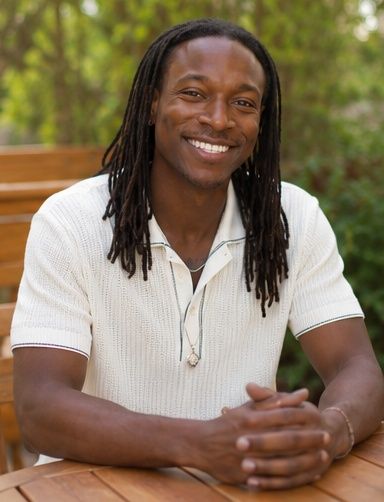
Justin White is a mental-health worker and researcher based in San Francisco, training toward Marriage and Family Therapy (MFT) licensure. His approach is humanistic and person-centered, drawing on acceptance-based practices and mindfulness, and consistently affirming of clients’ identities and communities.
As a Black gay man, Justin brings a perspective attuned to the experiences of racially and sexually minoritized communities. That perspective shapes his professional lens and his focus areas — culturally responsive, affirming care and a research interest in identity-based resilience — informing how he listens, what questions he asks, and the kind of care he believes people deserve.
He is a graduate student in San Francisco State University’s M.S. in Clinical Psychology program (since August 2026), a California pathway toward MFT licensure, and an MFT Trainee at San Francisco State Psychology Clinic, working under the supervision of a licensed clinician. He also contributes to research on stress, trauma, and resilience at SFSU. Previously, he worked in adult psychiatric residential treatment as a Mental Health Counselor at Progress Foundation, under supervision.
Outside of clinical and academic work, Justin’s thinking is informed by Buddhism and meditation — practices of attention and acceptance that echo the humanistic, acceptance-based values he brings to his work.
Person-centered work begins with unconditional positive regard and genuine, nonjudgmental listening — trusting people as the authority on their own experience.
Drawing on acceptance-based approaches and mindfulness, room for difficult emotions often opens the way to psychological flexibility and growth.
Identity shapes how distress is experienced, expressed, and met. Affirming, culturally responsive care takes that seriously rather than treating it as an aside.
Protective factors — connection, acceptance, community — matter as much as risk. That conviction grounds both the clinical and the research work.
Justin is training toward licensure and is not a licensed or registered independent therapist. Nothing on this site is therapy or medical advice.